Technology for the Next Generation of Power Electrical Engineering
Porta Motora
Elastic Liquid Metal Contact Technology
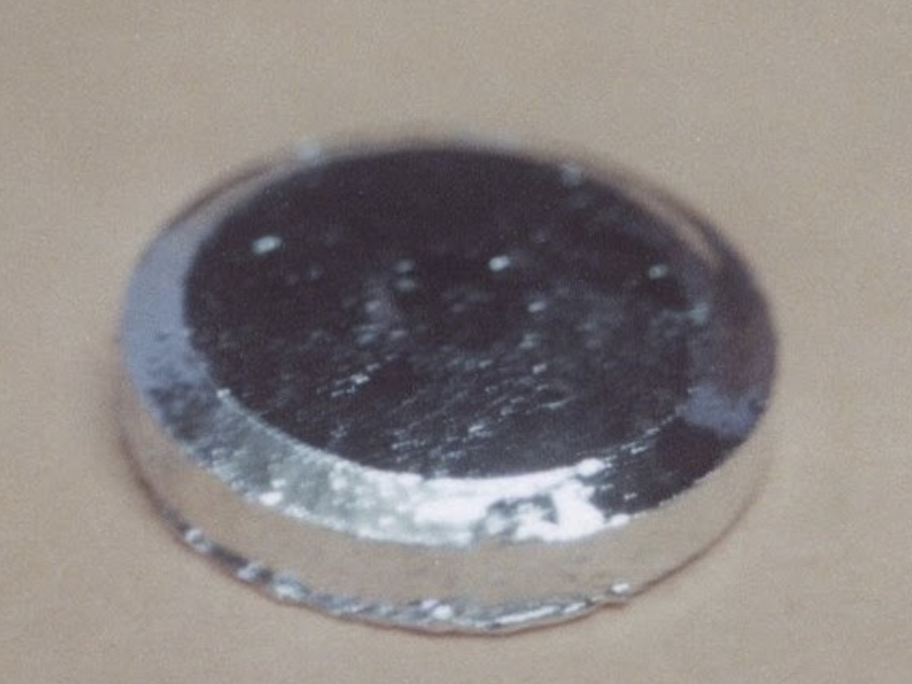
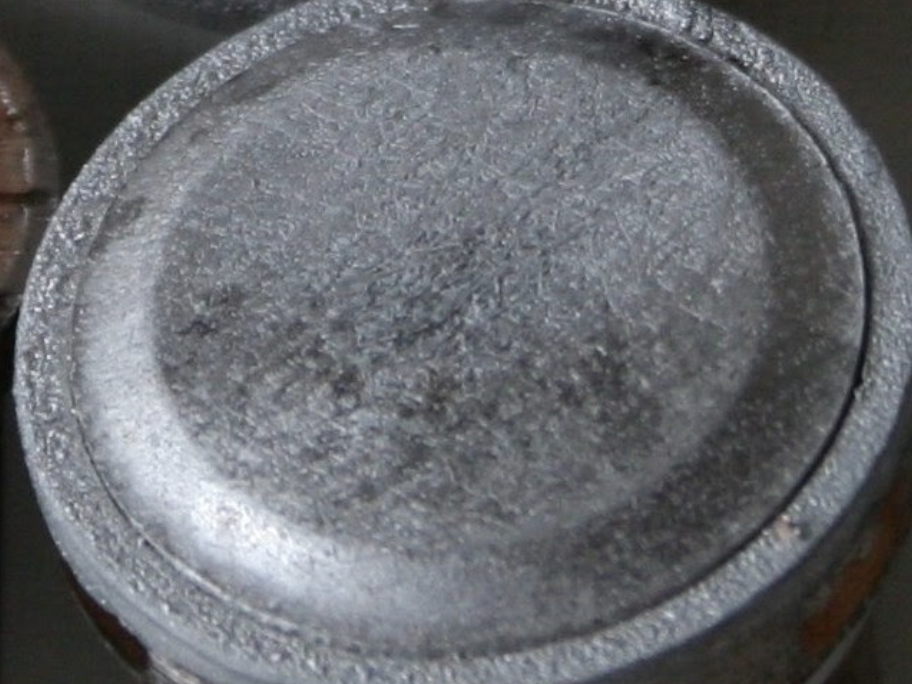
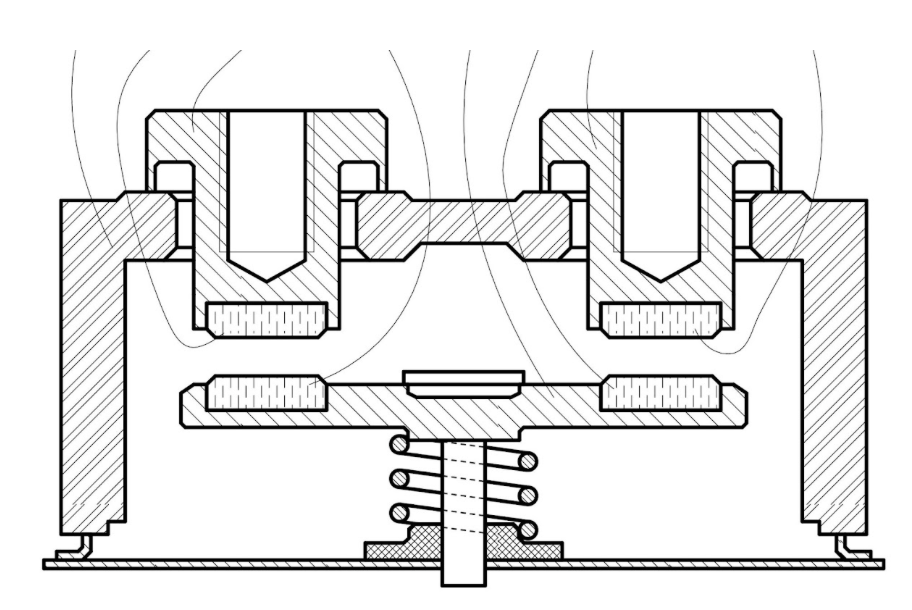
Porta Motora develops advanced elastic liquid metal contact technology designed for high-current and high-voltage electrical systems. Unlike conventional solid metal contacts, which can suffer from contact bounce, electrical arcing, welding, erosion, overheating, and mechanical wear, Porta Motora’s FMKW technology uses an elastic liquid metal interface that aims to maintain a stable electrical connection under extreme operating conditions.
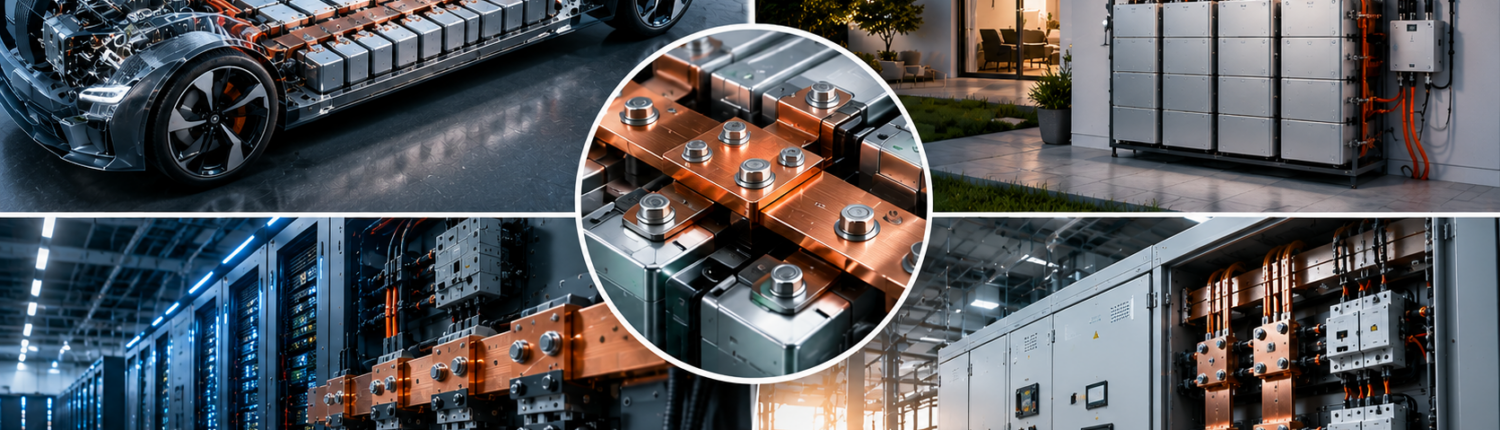
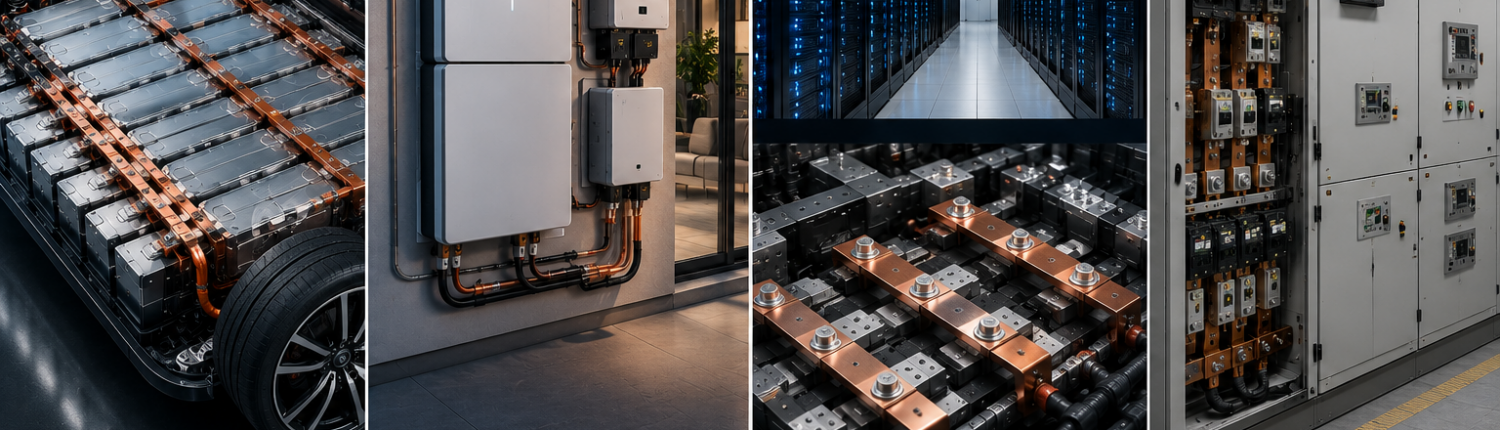
The technology is intended for applications where reliability, conductivity, and long service life are critical, including:
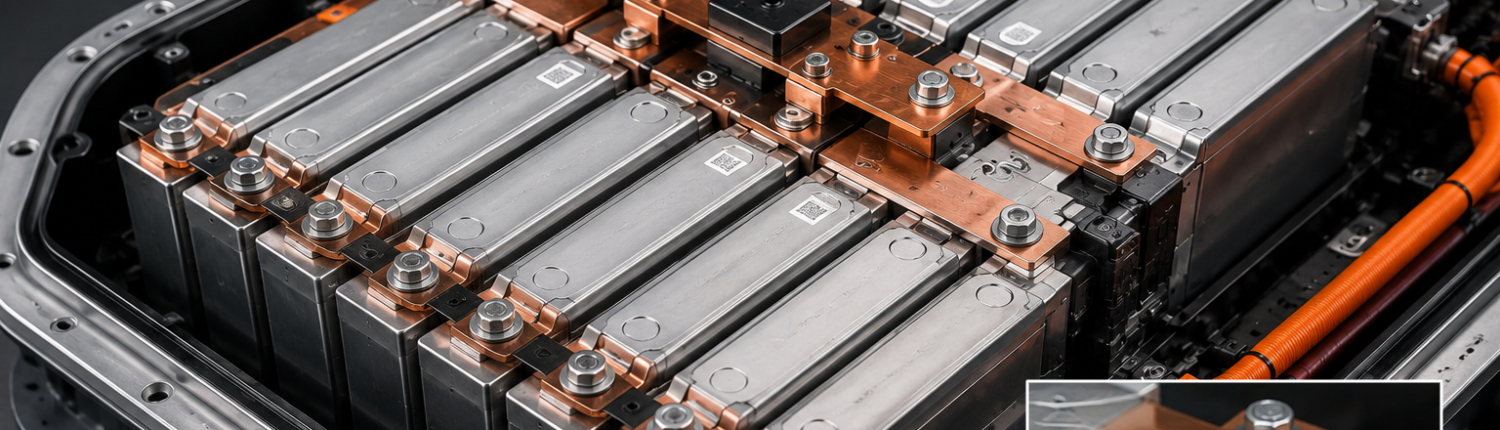
- Electric vehicle (EV) battery systems
- High-voltage DC contactors
- EV fast charging stations
- Battery Energy Storage Systems (BESS)
- High-current switchgear
- High-voltage switchgear
- Industrial circuit breakers
According to Porta Motora, the elastic liquid metal interface significantly reduces contact resistance while eliminating common failure mechanisms found in traditional contacts. The company claims that its technology can operate under high currents, tolerate vibration, compensate for thermal expansion, and remain functional even when mechanical alignment is not perfect.
A key advantage of the concept is that electrical current flows through a continuously adapting liquid metal interface rather than relying solely on rigid metal-to-metal contact. This can potentially reduce energy losses, minimize heat generation, and extend component lifetime in demanding electrical systems. Similar liquid metal technologies are being explored across multiple industries because of their ability to provide highly conductive electrical connections while accommodating mechanical movement and thermal stress.
Porta Motora positions its technology as a solution for next-generation electrification infrastructure, particularly in electric mobility, energy storage, charging infrastructure, and industrial power distribution, where increasing current levels place greater demands on conventional contact systems.
In simple terms: Porta Motora is not building batteries or chargers. It is developing a new type of electrical contact that sits between critical power components and is intended to make high-current systems more efficient, reliable, and durable.
VP RITTER starkstromtechik GmbH
Frank Wachendörfer
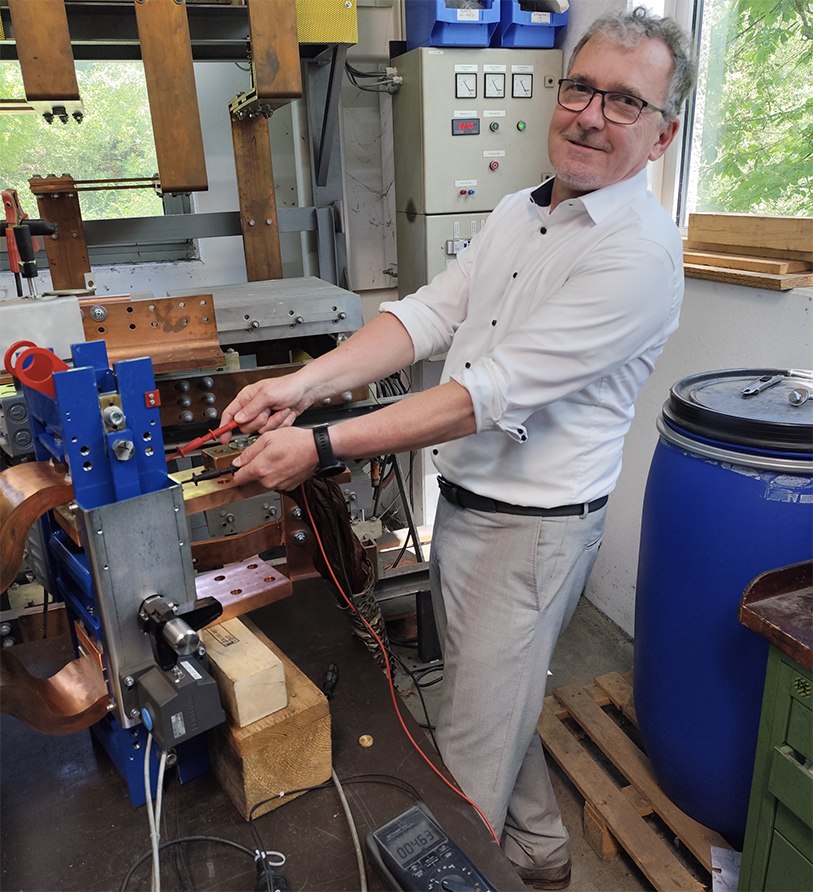
Frank tests elastic contacts. At 6270 amps, the voltage drop is 4.63 mV, which is 10.5 times lower than the industry standard. Contact temperature is 60°C.